If you picture beach ownership as nonstop crowds and a resort-town pace, Fenwick Island may surprise you. Owning here is often less about constant activity and more about having a small coastal home base that gives you easy access to both the ocean and the bay. If you are thinking about buying in Fenwick Island, it helps to understand the town’s size, housing pattern, seasonal rhythm, and day-to-day rules before you make a move. Let’s dive in.
Fenwick Island feels small by design
Fenwick Island is a very small barrier-island town on Delaware’s southern coast, just north of the Maryland line. According to the town’s comprehensive plan, it covers about 0.5 square miles, with nearly 30% water.
That setting shapes daily life in a big way. You are not buying into a sprawling beach market with endless new development. You are buying into a compact town where the beach, the bay, and the water around you are part of the ownership experience.
The town also sees itself as both a beach community and a bay community. That matters because life here is not centered on the ocean alone. The bay is a real part of how people use and enjoy their homes, especially if boating, paddling, fishing, or waterfront access matters to you.
Homeownership here is mostly single-family
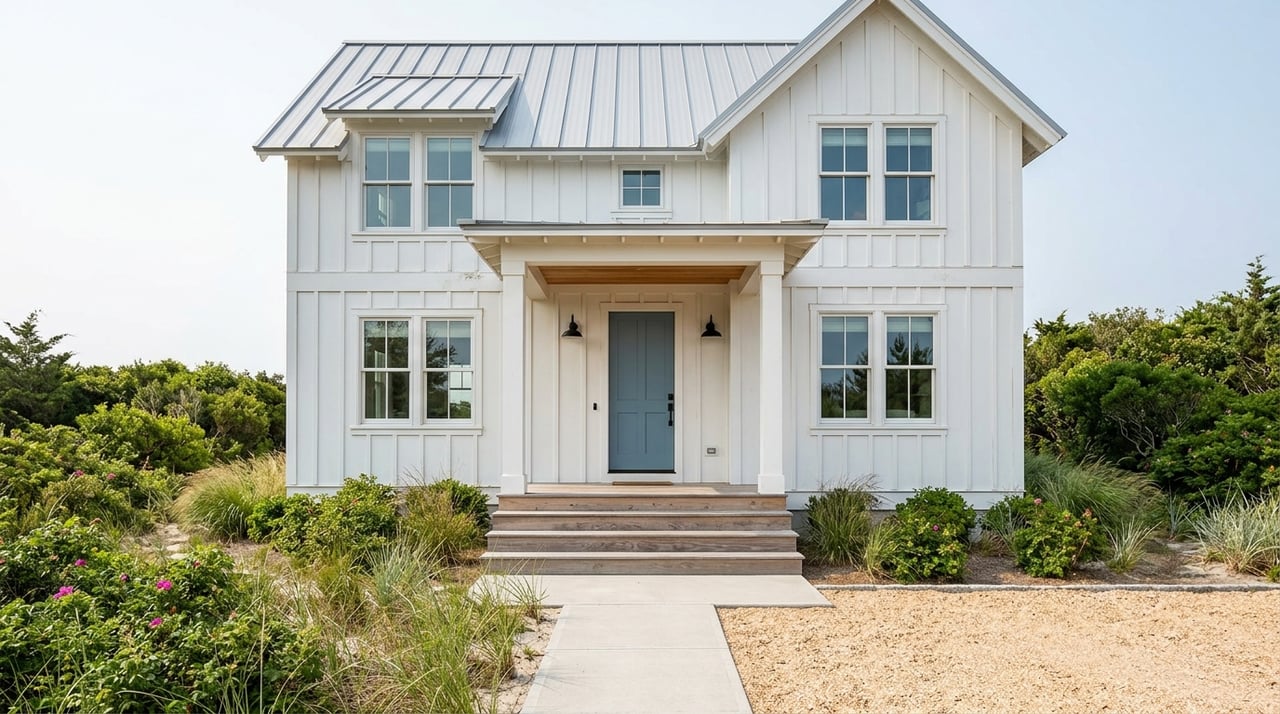
Fenwick Island had 715 housing units in 2020, and more than 90% were single-family detached homes. Smaller portions of the housing stock were attached or multifamily units.
For you as a buyer, that usually means the market feels residential and home-focused rather than condo-heavy. It also means many ownership decisions revolve around lot position, water access, parking, outdoor space, and how the home fits your seasonal or full-time plans.
Another important detail is that the town is largely built out. Most homes were built before 2000, so ownership in Fenwick Island is often about maintaining, updating, or redeveloping an existing home rather than choosing from large waves of new construction.
Many owners use homes seasonally
One of the clearest facts about Fenwick Island is how seasonal it is. The town reports a 95.2% owner-occupancy rate among occupied units, but only 27.9% overall occupancy, which strongly suggests that many homes are used seasonally rather than year-round.
That gives the town a distinct ownership pattern. Many owners are not looking for a fast-paced primary residence experience. Instead, they want a second home, vacation property, or long-term coastal retreat that feels calm, familiar, and easy to return to year after year.
If that sounds like your goal, Fenwick Island can be a strong fit. It tends to appeal to buyers who care about lifestyle and long-term value, especially those looking for a quieter beach-and-bay setting.
The pace changes a lot by season
Fenwick Island lives very differently in July than it does in January. The town estimated fewer than 400 residents in 2020, but nearly 3,000 people in summer.
That swing affects everything from traffic and parking to restaurant activity and beach energy. During peak season, the town feels busier and more active. Outside of summer, it can feel much quieter and more residential.
For many owners, that contrast is part of the appeal. You get a lively beach season when you want it, but you also get a more peaceful side of coastal ownership during the off-season.
Daily life blends beach and bay
Owning a home in Fenwick Island often means your free time naturally shifts outdoors. Official town and state tourism information highlights activities like fishing, crabbing, kayaking, windsurfing, and paddleboarding, along with guarded ocean beaches and access to Fenwick Island State Park and Little Assawoman Bay.
There are also familiar local attractions and dining spots that shape the town’s rhythm. The visitor information points to places such as the Fenwick Island Lighthouse, Viking Golf Amusements, Thunder Lagoon Water Park, Catch 54, and Fenwick Crab House.
What stands out most is the balance. Fenwick Island does not read like a high-energy entertainment district. It reads more like a place where simple coastal routines, local businesses, and water access define the experience of ownership.
Boating is part of the ownership story
If you are drawn to the bay side of coastal living, Fenwick Island has another advantage. The town’s planning documents say Fenwick is as much a boat town as a beach town, and many homes connect to the bay through canals and docks.
That can be a major lifestyle benefit, but it also comes with practical considerations. Little Assawoman Bay is shallow, and the town notes that dredging and channel maintenance have been necessary. In fact, a 2024 town notice said dredging of two boating channels had begun.
For buyers who want a property tied to boating, this is the kind of local detail that matters. It is not just about whether a home looks close to the water. It is also about how that water access functions over time.
Parking and beach rules matter
Second-home buyers are often surprised by how much local rules shape everyday ownership at the shore. In Fenwick Island, parking is tightly managed during peak season.
The town requires parking permits from May 15 through September 15. Blue resident hangtags cover street and beach-end parking, while guest permits are for street parking only.
Beach rules are also structured. The town says there is no alcohol on the beach from May 15 to September 15, no pets on the beach from May 1 to September 30, no glass containers, and bonfires require permits. Boat launching from the beach is restricted as well.
These rules do not make ownership harder, but they do shape how you host guests, plan beach days, and use the property during the busiest months. If you are buying a second home, it is smart to think through these details early.
Renovation timing takes planning
Because Fenwick Island is largely built out, many buyers end up updating or improving an existing home. If that is part of your plan, timing matters.
The town’s visitor information notes regular noise and construction limits, including summer restrictions on construction timing and a ban on pile driving from June 1 through August 31. For owners planning major exterior work, this can affect scheduling and project flow.
That means a renovation in Fenwick Island may require more lead time than you expect. If you are buying with improvement plans in mind, it helps to approach the process with a clear timeline from the start.
Flood readiness is part of coastal ownership
In any barrier-island market, coastal risk belongs in the conversation. Fenwick Island’s flood-information page says the town promotes flood preparedness and participates in FEMA’s Community Rating System.
The town states that its Class 9 rating gives qualifying property owners a 5% flood-insurance discount. It also says beach and dune replenishment have been a main protection method against sea-level-rise impacts.
For you, this is a reminder that buying in Fenwick Island is both a lifestyle decision and a practical one. Insurance, preparedness, and property resilience are all part of owning well at the coast.
Who Fenwick Island fits best
Fenwick Island tends to fit buyers who want a smaller-scale coastal experience. The town’s planning documents emphasize preserving beaches as non-commercialized open space and recreation, while the commercial corridor is oriented toward neighborhood businesses, lodging, restaurants, and services rather than big chains.
In plain terms, this often feels more like a quiet seasonal home base than a full-throttle resort setting. That can be especially appealing if you want a second home that feels personal, manageable, and connected to the water.
It can also suit buyers who think about real estate through both a lifestyle and investment lens. In a town with limited land, a built-out housing base, and a strong ownership pattern, understanding the local rhythm becomes just as important as understanding the house itself.
What owning here really feels like
At its core, owning a home in Fenwick Island means living with the patterns of a small coastal town. You get beach access, bay access, a highly seasonal pace, and a housing market shaped more by existing homes than new expansion.
That ownership experience can feel calm, rooted, and very intentional. It rewards buyers who appreciate the practical side of beach living, from parking permits and flood awareness to construction timing and seasonal population swings.
If you are considering Fenwick Island, the goal is not just to find a beautiful property. It is to find the right fit for how you want to live, use the home, and enjoy the Delaware coast over time. If you want help evaluating Fenwick Island from both a lifestyle and long-term value perspective, Lindsay Good can help you make a thoughtful next move.
FAQs
What is daily life like for homeowners in Fenwick Island?
- Daily life in Fenwick Island usually centers on the beach, the bay, and seasonal routines, with a much quieter feel outside the summer months.
Is Fenwick Island mostly a second-home market?
- The town’s low overall occupancy and high owner-occupancy among occupied homes suggest that many properties are used seasonally rather than as full-time residences.
What types of homes are common in Fenwick Island?
- More than 90% of Fenwick Island’s housing units were single-family detached homes in 2020, so the market is largely centered on standalone houses.
What should buyers know about parking in Fenwick Island?
- From May 15 through September 15, the town requires parking permits, with resident hangtags covering street and beach-end parking and guest permits limited to street parking.
What should second-home buyers know about beach rules in Fenwick Island?
- Fenwick Island has seasonal rules that include no alcohol on the beach from May 15 to September 15, no pets on the beach from May 1 to September 30, and permit requirements for bonfires.
What should owners know about renovating a home in Fenwick Island?
- Owners should plan carefully because the town has noise and construction limits, including summer timing restrictions and no pile driving from June 1 through August 31.
What is important to know about boating in Fenwick Island?
- Boating is a meaningful part of local life, and many homes connect to the bay through canals and docks, but shallow-water conditions make channel maintenance and dredging important.
How does flood insurance work in Fenwick Island?
- The town says it participates in FEMA’s Community Rating System, and its Class 9 rating gives qualifying property owners a 5% flood-insurance discount.