If you are getting ready to sell a rowhome in Graduate Hospital, you are not just putting a house on the market. You are presenting a way of living that buyers already want: walkable blocks, classic brick homes, nearby parks and trails, and easy access to shops, cafes, and transit. That is why the right prep can make such a big difference. With a smart plan, you can help your home feel brighter, more functional, and easier for buyers to picture as their own. Let’s dive in.
Why prep matters in Graduate Hospital
Graduate Hospital is widely known for its tree-lined streets, historic rowhomes, and highly walkable setting between South Street, Washington Avenue, Broad Street, and the Schuylkill River. The neighborhood also benefits from outdoor destinations like the Schuylkill River Trail, the Schuylkill Banks Boardwalk, and Julian Abele Park, along with access to SEPTA and bus routes. That context shapes what buyers notice when they walk into your home.
In this part of Philadelphia, buyers are often comparing homes that may have similar square footage and similar rowhome layouts. What helps one property stand out is how clean, open, and move-in ready it feels. When your home looks easy to live in, it becomes easier for a buyer to connect the neighborhood lifestyle with the space itself.
Current market snapshots also point to an active market, even if each source measures it a little differently. Zillow reports an average Graduate Hospital home value of $577,720 and homes going pending in around 10 days, while Realtor.com shows a median listing price of $657,000, a median sold price of $615,000, and a sale-to-list ratio of 100%. Redfin reports a median sale price of $666,776 and a Walk Score of 95. Together, those numbers suggest a market where presentation can help your listing compete well.
Start with clutter and cleaning
The first and most important step is usually the least glamorous: remove clutter and clean everything. According to the 2023 Profile of Home Staging, sellers’ agents most often recommend decluttering the home and cleaning the entire home before listing. That advice matters even more in a rowhome, where storage, sightlines, and room flow can strongly affect how spacious the home feels.
Focus first on the places buyers tend to inspect closely:
- Closets
- Kitchen counters
- Bathroom vanities
- Open shelving
- Entry areas
- Basement or utility storage spaces
Your goal is not to make the home feel empty. Your goal is to make it feel calm, functional, and well cared for. A clean counter, a neatly arranged closet, and a clear path through each room can make a home feel larger without changing a single wall.
Fix the small things buyers notice fast
You do not always need a major renovation to improve your sale outcome. In many cases, the best return comes from handling the visible cosmetic issues that create doubt during a showing. Small signs of wear can make buyers wonder what else has been neglected.
Prioritize repairs like these before launch:
- Paint touch-ups
- Fresh caulk or grout in baths and kitchens
- Floor refinishing or spot repairs
- Carpet cleaning where applicable
- Exterior cleanup at the front entry
- Minor plumbing or electrical fixes that affect presentation
These are the kinds of improvements commonly recommended in staging and seller-prep guidance. In a neighborhood like Graduate Hospital, where buyers may love the charm of an older rowhome but still want it to feel polished, those details can carry real weight.
Stage the rooms with the most impact
If you are deciding where to invest your time and budget, start with the rooms that shape first impressions. The 2023 Profile of Home Staging found that buyers’ agents ranked the living room as the most important room to stage, followed by the primary bedroom and the kitchen. Those are also the rooms sellers’ agents stage most often.
Living room first
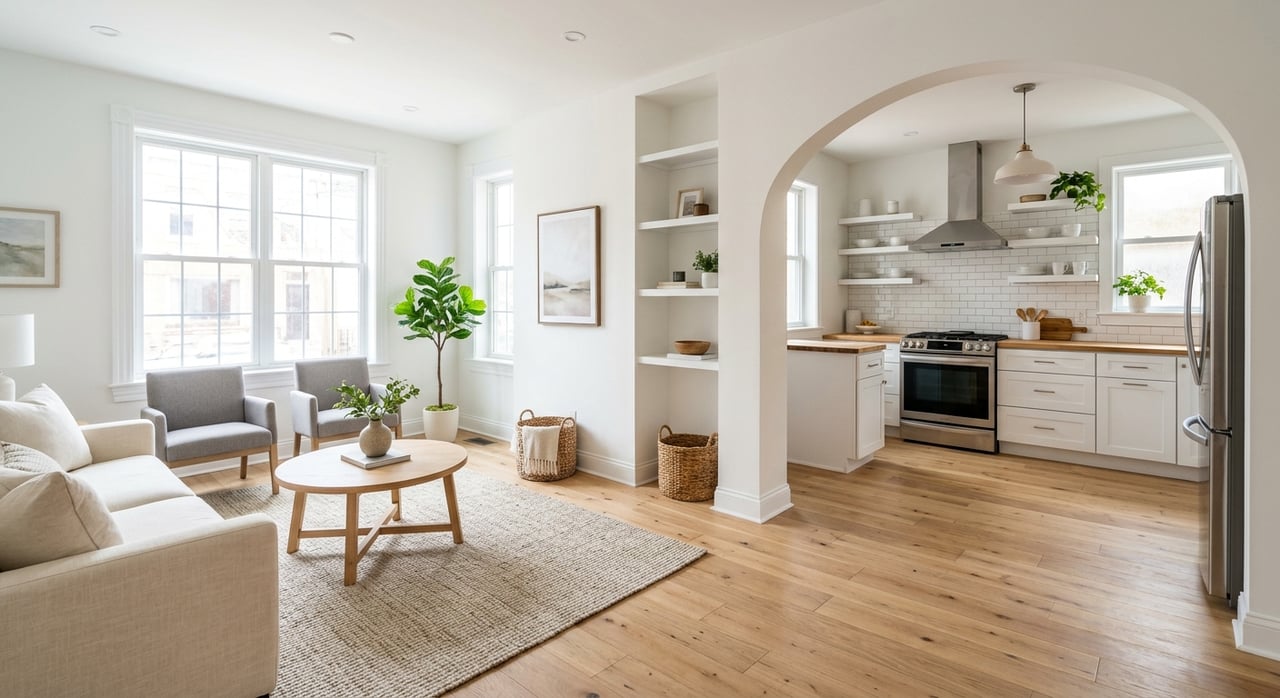
Your living room often sets the tone for the entire showing. In a Graduate Hospital rowhome, that may mean showing a comfortable conversation area, a clear traffic path, and balanced scale that helps the room feel open. If the room feels too full, buyers may assume the house lacks space.
Keep the kitchen simple
You do not need a magazine-perfect kitchen to make a strong impression. What matters most is that the kitchen feels clean, bright, and usable. Clear counters, matching towels, good lighting, and minimal decor often do more than overstyling.
Make the primary bedroom feel restful
The primary bedroom should feel like a retreat, not a storage zone. Remove extra furniture if needed, simplify bedding, and keep surfaces mostly clear. Buyers respond well when they can quickly imagine how they would live in the space.
Add bathrooms and dining spaces if possible
If your budget allows, it also helps to stage or style bathrooms and dining areas. Fresh towels, clean mirrors, simple table styling, and uncluttered surfaces can reinforce the sense that the home is ready for everyday life.
Show the rowhome lifestyle
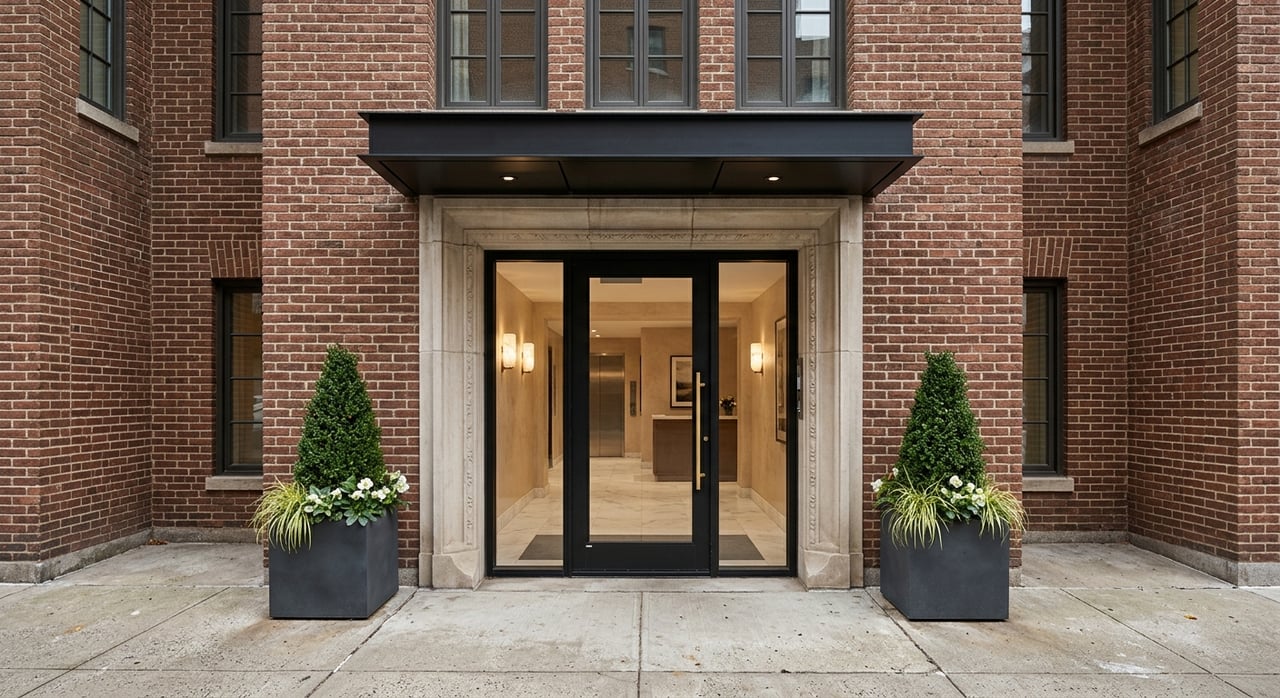
In Graduate Hospital, outdoor presentation matters more than some sellers expect. The neighborhood is associated with walkability, parks, trail access, and an active city lifestyle. That means your stoop, front entry, and any patio, deck, or yard space should feel like part of the home’s appeal, not an afterthought.
Simple outdoor prep can include:
- Sweeping the stoop and sidewalk edge
- Cleaning the front door and hardware
- Adding neat planters if appropriate
- Removing dead plants or worn furniture
- Styling a small patio or roof deck for everyday use
These updates help reinforce what buyers already value about the area. You are helping them imagine stepping out for coffee, walking to dinner, or enjoying a quiet outdoor moment at home.
Prioritize photos before you list
Many buyers decide which homes to visit based on what they see online first. The home staging research found that photos were important to 77% of buyers’ agents, videos to 74%, physical staging to 58%, and virtual tours to 42%. That makes your digital presentation part of the prep process, not something to think about at the very end.
Before photography, walk through your home as if you were seeing it for the first time on a screen. Look for cords, pet items, overfilled shelves, uneven bedding, and anything that distracts from the room itself. Strong listing photos can make buyers more willing to schedule a showing, and that early interest matters.
Use a practical prep sequence
If the process feels overwhelming, it helps to follow a clear order. For most Graduate Hospital rowhomes, the strongest prep sequence is simple and effective.
A smart sale-prep order
- Declutter each room and storage area
- Deep clean the entire home
- Handle visible cosmetic repairs
- Stage or style the key rooms
- Refresh the exterior and outdoor areas
- Complete professional photos and marketing assets
This order keeps you focused on the changes buyers are most likely to notice. It also helps avoid spending money in the wrong places.
Where Compass Concierge can help
For sellers who want to improve presentation without paying for every project upfront, Compass Concierge can be a useful tool. Compass says the program fronts the cost of eligible home improvement services, with zero due until closing, though payment timing depends on program terms and market and fees or interest may apply in some states.
Covered services include deep cleaning, decluttering, staging, floor repair, carpet cleaning and replacement, interior and exterior painting, landscaping, moving and storage, custom closet work, electrical work, kitchen and bathroom improvements, plumbing-related repairs, and many other services. For a Graduate Hospital rowhome, the most useful projects are often cosmetic and presentation-driven rather than large-scale renovations.
Compass also says sellers may start as a Private Exclusive or Coming Soon to build demand before a public MLS launch without accruing days on market or creating a public price-drop history. That can support a more thoughtful rollout when timing and presentation matter.
Think move-in ready, not brand new
One of the biggest mistakes sellers make is assuming they need to fully reinvent the home. In Graduate Hospital, buyers are often drawn to character, location, and livability as much as finishes. The better strategy is usually to make your rowhome feel cared for, bright, clean, and easy to step into.
That means focusing on the improvements that support confidence. A polished entry, clean walls, better lighting, fresh paint touch-ups, and thoughtfully staged rooms can do more for your sale than chasing every possible upgrade. In a neighborhood where the lifestyle already has strong appeal, your job is to make the home support that story.
If you are thinking about selling and want a calm, strategic plan for preparing your Graduate Hospital rowhome, Lindsay Good can help you decide what is worth doing, what to skip, and how to position your home to stand out.
FAQs
What matters most when preparing a Graduate Hospital rowhome for sale?
- The biggest priorities are decluttering, deep cleaning, handling visible cosmetic repairs, staging the main living spaces, and making sure the home shows well online.
Which rooms should you stage first in a Philadelphia rowhome?
- The highest-priority rooms are the living room, primary bedroom, and kitchen, since those are the spaces buyers’ agents most often say matter most.
How important are listing photos when selling in Graduate Hospital?
- Listing photos are very important because many buyers compare homes online before booking showings, and strong visuals can increase interest early.
Do you need a full renovation before listing a rowhome in Graduate Hospital?
- Not usually. In many cases, smaller cosmetic improvements like paint touch-ups, cleaning, floor refreshes, and staging are enough to improve presentation.
Can Compass Concierge help with home prep before a sale?
- Yes. Compass says Concierge can cover services such as staging, painting, deep cleaning, decluttering, floor repair, landscaping, and other prep work, with payment timing based on program terms and market.