Old City condos can be some of the most charming homes in Philadelphia, but they also come with a different set of questions than newer buildings. If you are drawn to exposed brick, warehouse details, or a one-of-a-kind floor plan, it helps to know what you are really buying before you fall in love with the look. This guide walks you through the key things to understand when buying a historic condo in Old City, from preservation rules to condo finances, so you can move forward with more clarity and confidence. Let’s dive in.
Why Old City condos feel different
Old City sits within the Old City Historic District, an area that spans roughly 75 acres and includes about 800 structures and sites. The district runs generally from Walnut and Chestnut north to Wood and Callowhill, from the Delaware River west to Randolph and North 5th Streets. Its period of significance stretches from 1676 to 1929, which tells you right away that this is not a cookie-cutter condo market.
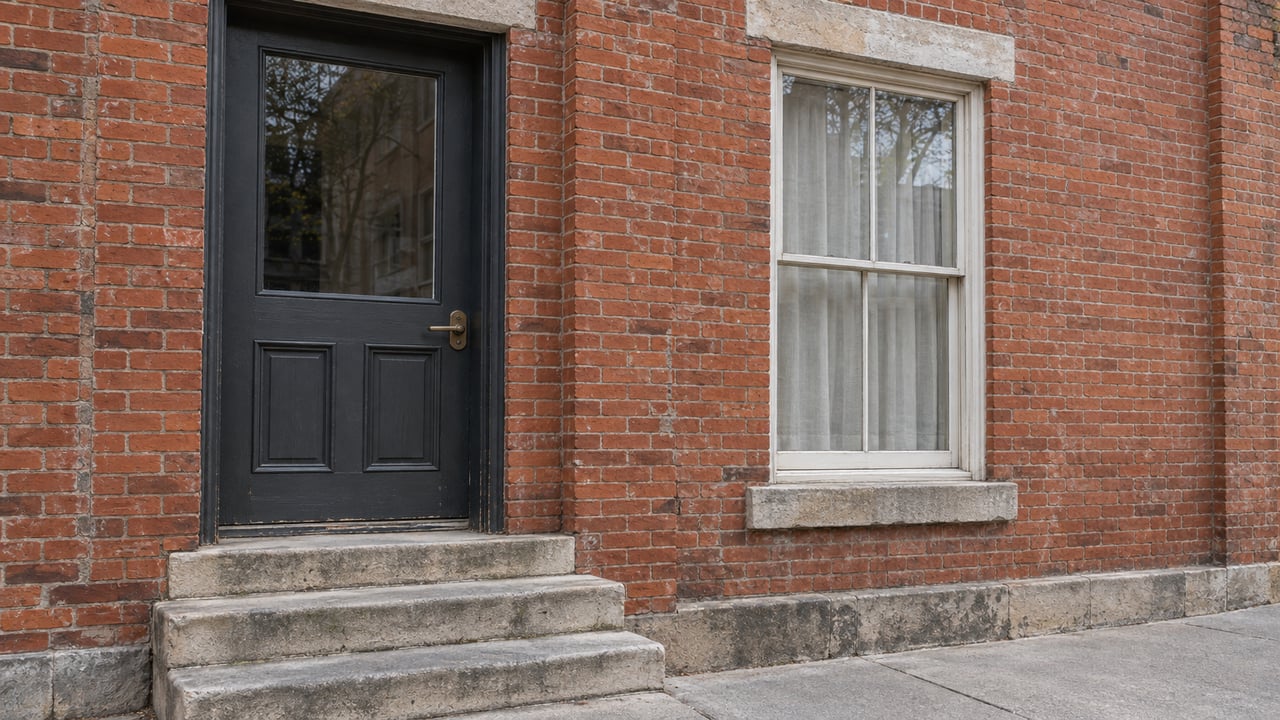
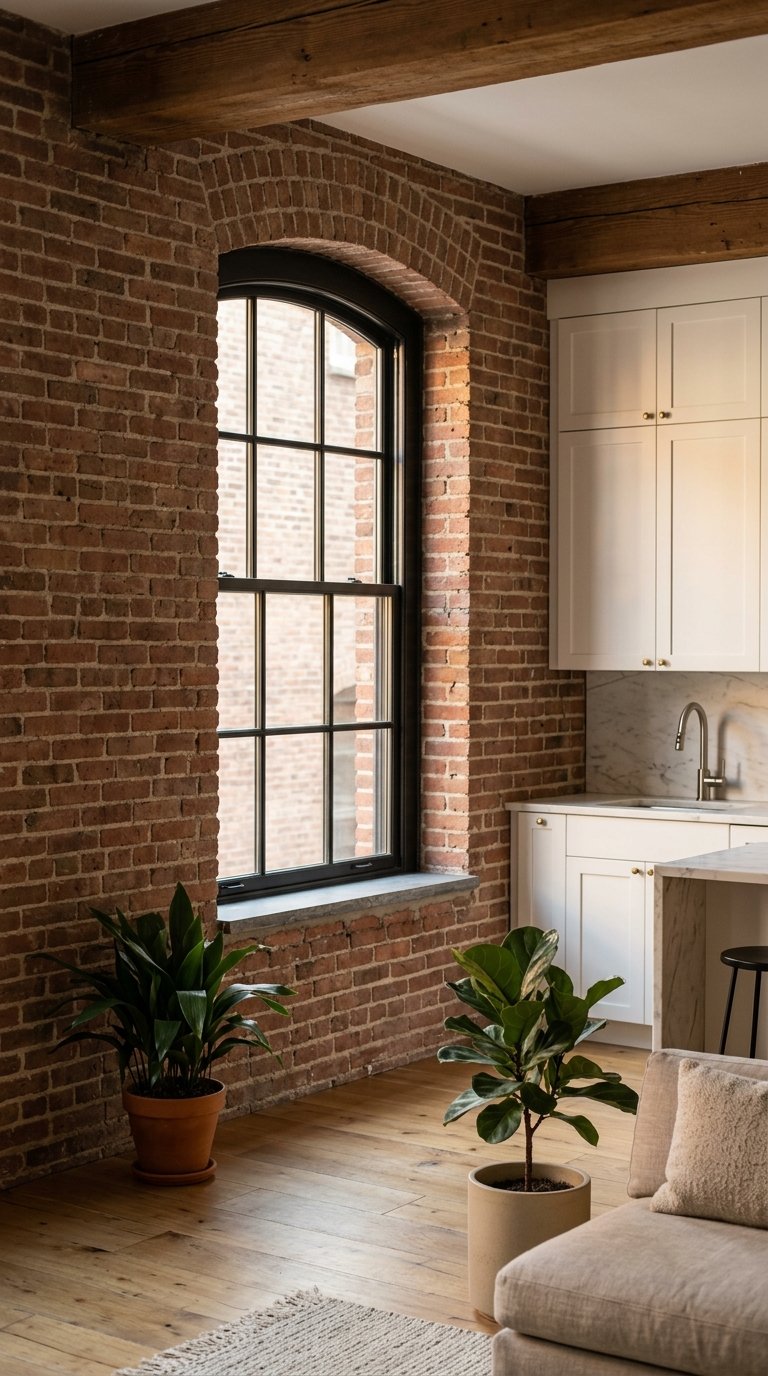
That history shows up in the housing stock. Old City includes eighteenth-century rowhouses, courtyard buildings, Greek Revival warehouses, financial buildings, and loft-style commercial conversions in brick, stone, and cast iron. For you as a buyer, that often means layouts are more compact, less uniform, and far more varied than what you might expect in newer construction.
You may find high ceilings and oversized windows in one unit, then narrow rooms, stoops, or unusual room shapes in another. The neighborhood’s narrow streets, alleys, and deep lots also influence how buildings were designed. In practical terms, charm is a major part of the value here, but so is understanding how an older building functions.
Historic status matters
Not every condo buyer realizes how much a building’s historic status can affect future updates. In Philadelphia, the Historical Commission protects historic resources and maintains the Philadelphia Register of Historic Places. If a property is on that register, certain changes require commission approval.
Most of that review focuses on exterior work, not everyday interior decorating. The city says review is typically required for visible exterior items such as windows, doors, roofing, masonry, storefront features, balconies, decks, stoops, porches, mechanical equipment, and exterior wiring or pipes. Interior changes usually do not require review unless the interior itself has been specifically designated.
This is important for both your day-to-day ownership and long-term resale. If previous owners replaced windows, added exterior equipment, or changed masonry, you will want to know whether that work was properly approved. If you hope to make future updates, you should understand the review process before you buy.
What usually does not trigger review
Historic oversight does not mean every small repair becomes a major project. The city notes that standard maintenance often does not require review. That can include tasks like scraping and painting wood trim, cleaning gutters, and replacing clear window glass.
That distinction matters because it helps you separate normal upkeep from larger exterior changes. When you are reviewing a condo, you want to know whether the building has stayed on top of routine maintenance and whether any bigger projects were handled correctly. In a historic property, those two things are closely connected.
Why renovation history matters
In Old City, renovation history is part of the property story. Philadelphia publishes an Old City property-owner manual, which is a useful signal that historic ownership comes with a layer of responsibility. The city also keeps monthly permit logs tied to Historical Commission review.
For you, that creates an opportunity during due diligence. You can use available records to help confirm when major work happened and whether approvals were obtained for exterior changes. That can give you a clearer picture of how carefully the building has been maintained over time.
The condo documents are not optional reading
When you buy a condo in Pennsylvania, the resale package is one of the most important parts of the transaction. State law requires the seller to provide the declaration, bylaws, and rules or regulations, along with a certificate containing key financial and legal details. You should treat that package as essential, not as paperwork to skim at the end.
The resale certificate includes the monthly common-expense assessment, any unpaid assessments, any special assessments, other fees, proposed capital expenditures for the current and next two fiscal years, reserve information, the latest balance sheet and income and expense statement, the current budget, insurance coverage, and any judgments or pending suits. It also includes known alterations, violations, or hazardous conditions.
That is a lot of information, but it is exactly what helps you evaluate the real cost of ownership. A beautiful lobby and updated kitchen do not tell you whether the association has enough reserves for roof work, facade repairs, or other expensive projects. In a historic building, those questions deserve just as much attention as the finishes inside the unit.
Low condo dues are not always a win
It is easy to see a low monthly condo fee and think you found a great deal. In a historic condo building, that number needs more context. Lower dues can be fine, but only if the association also has healthy reserves and a realistic plan for capital repairs.
Older buildings may face more complex maintenance needs, especially with masonry, roofing, windows, or other exterior elements. If dues are low but reserves are thin, owners may be more exposed to future special assessments. That is why it is smart to compare the monthly fee with the reserve balance, the upcoming project list, and any known capital spending plans.
Understand who pays for what
One of the biggest questions in any condo purchase is maintenance responsibility. Under Pennsylvania law, the association is generally responsible for common elements, while the unit owner is generally responsible for the unit unless the declaration says otherwise. The key phrase there is unless the declaration says otherwise.
In a historic building, you should confirm responsibility for the roof, facade, windows, brick pointing, balconies, decks, and mechanical systems. Some of these items may be common elements, some may be limited common elements, and some may fall partly on the unit owner depending on the governing documents. You do not want to guess about this after closing.
Rules can affect daily life
Condo living always includes shared rules, and Old City historic condos are no exception. Pennsylvania requires the rules and regulations to be included in the resale package. Associations also have the authority to adopt rules, amend bylaws, and levy fines for violations.
Before you make an offer, read the rules carefully for issues that affect how you plan to live in the home. Pay attention to policies around pets, rentals, short-term leasing, and noise. These are not side details. They shape your ownership experience from day one.
Insurance and special assessment questions
Associations in Pennsylvania must carry property and liability insurance to the extent reasonably available. That is helpful, but it does not mean every future cost disappears. Deductibles and uncovered repair costs can still become common expenses.
That is why you should ask about insurance coverage, deductibles, pending litigation, and any history of special assessments. In an older building, one major repair can affect all owners. The goal is not to avoid historic condos. It is to understand the financial structure supporting the building before you commit.
Flood risk may matter near the river
Old City extends east to the Delaware River, so location within the neighborhood can matter. If the condo building sits closer to the riverfront edge, it is wise to verify flood exposure using local flood-risk tools and FEMA flood maps. This is a practical step that can affect insurance, future costs, and your comfort level as an owner.
Not every Old City condo will face the same level of risk. Still, it is worth checking early if the building is in that part of the neighborhood. It is a simple question that can prevent bigger surprises later.
Questions to ask before making an offer
If you are serious about buying a historic condo in Old City, these are the questions worth asking early:
- What parts of the unit or building are original, and what has been replaced?
- Were windows, roofing, masonry work, balconies, decks, or exterior mechanical equipment approved if required?
- Who is responsible for the roof, facade, windows, brickwork, balconies, decks, and building systems?
- What are the current monthly dues, and how much is held in reserves?
- Are there any planned capital projects or special assessments in the next two fiscal years?
- Are there any pending lawsuits, known violations, or hazardous conditions?
- What do the condo rules say about pets, rentals, short-term leasing, and noise?
- If the building is near the riverfront, what is the flood-risk profile?
These questions help you move beyond surface appeal. In Old City, a smart purchase comes from understanding both the character and the structure behind the condo.
The upside of buying in Old City
For the right buyer, a historic condo in Old City can offer something hard to replicate elsewhere. You may get architectural detail, a strong sense of place, and a home that feels connected to Philadelphia’s long history. That can be a meaningful lifestyle choice as well as an investment decision.
The key is to buy with open eyes. In this neighborhood, the best purchases usually happen when you appreciate the charm, respect the building’s history, and review the documents with care. When you do that, you can enjoy the character Old City is known for without being caught off guard by the responsibilities that come with it.
If you are thinking about buying in Old City and want calm, informed guidance through the process, Lindsay Good can help you evaluate both the lifestyle fit and the details that matter behind the scenes.
FAQs
What makes a historic condo in Old City Philadelphia different from a newer condo?
- Historic condos in Old City are often located in older rowhouses, lofts, warehouses, or mixed-use buildings, so layouts can be less uniform and maintenance needs can be more complex than in newer construction.
Do you need approval to renovate a historic condo in Old City Philadelphia?
- If the property is on the Philadelphia Register of Historic Places, exterior changes like windows, doors, roofing, masonry, balconies, decks, and visible mechanical equipment may require Historical Commission approval, while ordinary interior changes usually do not unless the interior is specifically designated.
What documents should you review when buying a condo in Philadelphia?
- You should review the declaration, bylaws, rules and regulations, and the resale certificate, which includes dues, reserves, special assessments, insurance, budget information, pending legal matters, and other key building details.
Why do condo reserves matter in an Old City historic building?
- Reserves help the association pay for major repairs and capital projects, which is especially important in older buildings where roofing, masonry, windows, and facade work can be costly.
Who handles maintenance in a Philadelphia condo building?
- In general, the association is responsible for common elements and the owner is responsible for the unit, but the condo declaration can assign responsibilities differently, so you should confirm the details for each building.
Should you check flood risk when buying in Old City Philadelphia?
- Yes, especially if the building is closer to the Delaware River, because flood exposure can affect insurance, costs, and your overall risk profile as an owner.